
How the Presence of Armed Guards Enhances Safety at Secure Government Facilities
Security at government facilities is a paramount concern as these locations often house sensitive information and critical operational infrastructures. The presence of armed guards serves as a vital element in safeguarding these sites. Their role is multifaceted, extending beyond mere physical protection to incorporate aspects of deterrence, immediate threat response, and psychological assurance. Understanding the impact of armed guards on facility security requires an exploration of their roles, benefits, and potential challenges. Through a structured approach, we can better comprehend how these security measures contribute positively to maintaining safety and the integrity of government operations.
Security at Government Facilities
Security at government facilities is a paramount concern as these locations often house sensitive information and critical operational infrastructures. According to Market Growth Reports, traditional guarding services remain the bulk of the industry, accounting for nearly 50% of all service contracts. Within this dominant sector, the presence of armed guards serves as a vital element in safeguarding high-stakes sites. Their role is multifaceted, extending beyond mere physical protection to incorporate aspects of deterrence, immediate threat response, and psychological assurance.
Understanding the impact of armed guards on facility security requires an exploration of their roles, benefits, and potential challenges. Through a structured approach, we can better comprehend how these security measures contribute positively to maintaining safety and the integrity of government operations.
The Role of Armed Guards in Deterring Threats
Visual Deterrence to Potential Threats
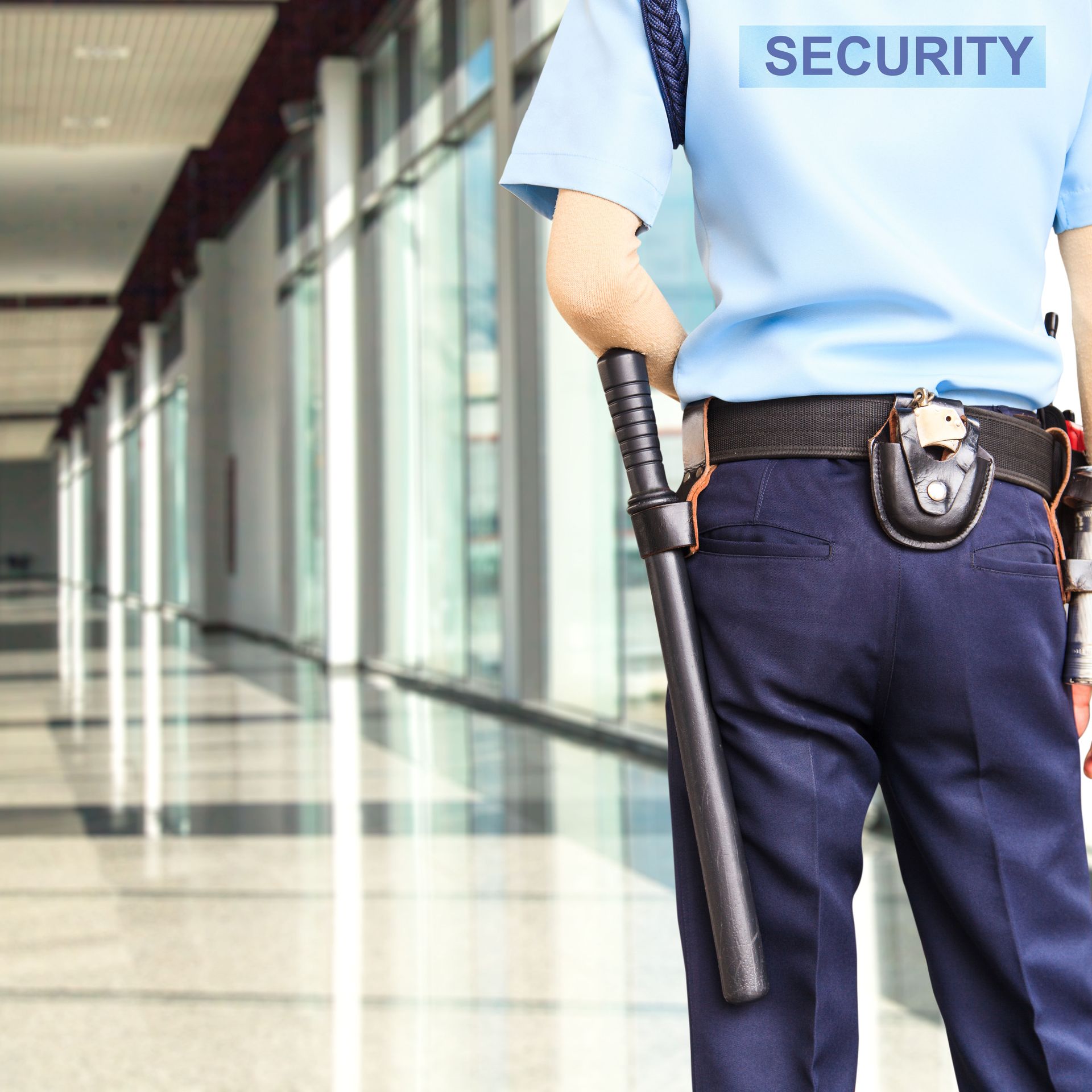
The presence of armed guards serves as a powerful visual deterrent to potential threats. By their very nature, armed personnel project an aura of authority and readiness that can dissuade malicious actors from attempting unauthorized activities. The psychological effect of seeing armed guards is that it signals to potential criminals that a facility is robustly protected. Moreover, this visible security measure can prevent crimes by discouraging the thought of engaging in illicit actions. In this way, armed guards significantly contribute to reducing the likelihood of security breaches at government facilities.
Immediate Response Capability
Armed guards are trained to respond swiftly and efficiently to emergencies, thereby enhancing the immediate security response capability of a government facility. Their presence ensures that in the event of a security incident, action can be taken promptly to neutralize threats. This rapid response is critical in minimizing potential damage and maintaining the safety of employees, visitors, and assets. In high-stakes environments, the ability for on-site personnel to act immediately can prove invaluable. Armed guards thus play a crucial role in the protection and continuity of government operations.
Strong Facility Security Protocols
Armed guards also contribute to the strengthening and enforcement of facility security protocols. They provide oversight and ensure compliance with established safety procedures, serving as gatekeepers who monitor entry points and access controls. Their role aids in the identification and interception of unauthorized individuals attempting to enter secure areas. Additionally, armed guards are integral in conducting routine security drills and emergency preparedness exercises, further enforcing a culture of security awareness. By doing so, they reinforce a facility's overall security framework.
Training and Professionalism of Armed Guards
Critical Incident Response Training
The effectiveness of armed guards in enhancing security is largely attributed to their specialized training in critical incident response. These professionals undergo rigorous and ongoing training programs designed to prepare them for a wide range of scenarios. Such training ensures that guards remain composed and efficient under pressure, especially during high-risk situations. Their ability to assess, plan, and execute response measures is a testament to their professionalism and preparedness. Consequently, well-trained armed guards serve as a backbone for a robust security infrastructure.
Communication Skills and De-escalation Techniques
Armed guards are also equipped with exceptional communication skills and de-escalation techniques. The emphasis on non-violent resolution through effective communication ensures that conflicts are managed diplomatically. By addressing potential threats calmly and assertively, armed guards can prevent situations from escalating into violence. De-escalation training is a critical component that equips these professionals with the tools to diffuse tense environments effectively. This approach not only preserves safety but also aligns with ethical practices in security management.
Continuous Skill Development and Assessment
The dynamic nature of security challenges necessitates that armed guards engage in continuous skill development and assessment. Regular evaluation ensures that guards maintain their competencies and adapt to emerging threats. Ongoing training programs update guards on the latest tactics and technologies, ensuring that their knowledge base remains current. Assessment provides a mechanism for identifying areas of improvement, enabling guards to refine their skills accordingly. Consequently, armed guards remain at the forefront of government facility security efforts.
Case Studies on Armed Guards Enhancing Facility Security
Successful Threat Neutralization Incidents
Several case studies on armed guards illustrate instances of successful threat neutralization. In specific scenarios, trained guards have intercepted and de-escalated potentially dangerous situations before they could develop into crises. Their swift and decisive action thwarted attempted breaches or attacks, exemplifying the effectiveness of armed personnel. These real-life incidents underscore the importance of having skilled personnel ready to respond to security threats at government facilities. The valor and expertise demonstrated by armed guards in such events affirm their critical role in ensuring safety.
Security Protocols Enhanced Post-Incident
Post-incident analyses have often led to the enhancement of security protocols at facilities with armed guards. Learning from experiences, organizations can identify vulnerabilities and refine their strategies accordingly. Armed guards play a key role in this continual improvement process, contributing insights gained from their frontline encounters. Revised protocols often include improved communication strategies and tightened access controls, based on guards' recommendations. Through these enhancements, government facilities can better prepare for and mitigate future security challenges.
Lessons Learned and Implementation of Best Practices
From the lessons learned in active security situations, best practice protocols have been developed and implemented across various facilities. These practices are grounded in real-world experiences and are continually updated to reflect new knowledge. Armed guards are instrumental in disseminating these best practices, offering training and guidance to institutionalize effective security measures. Continuous implementation ensures that government facilities are proactive in addressing both known and novel threats. As a result, the security landscape is continually fortified through the proactive engagement of armed security personnel.
Technological Integration in Armed Guard Operations
Use of Surveillance and Monitoring Systems
Technological integration is a critical component of modern armed guard operations, with surveillance and monitoring systems taking center stage. Advanced cameras, sensors, and monitoring software provide a comprehensive view of facility perimeters and activity. Armed guards utilize these technologies to enhance situational awareness and to monitor potential security breaches. This integration ensures real-time data feeds and alerts, which facilitate rapid response and evidence gathering. In conjunction with on-the-ground capabilities, technology augments the operational effectiveness of armed security personnel.
Advanced Weaponry and Personal Protective Equipment
Armed guards at government facilities are equipped with advanced weaponry and personal protective equipment (PPE) to improve defense and safety. The selection of firearms, body armor, and tactical gear is based on rigorous standards to ensure the safety of both personnel and the general public. This state-of-the-art equipment allows guards to respond effectively to threats while minimizing risk to themselves and others. The use of technologically advanced gear is crucial in maintaining the operational efficiency and protection of armed security teams. As such, facilities invest in continuous updates to their security arsenals.
Integration with Cybersecurity Measures
Given the increasingly interconnected nature of security threats, integration with cybersecurity measures is a necessary evolution for armed guard operations. Coordinating physical security with digital protection strategies ensures comprehensive defense mechanisms for government facilities. Armed guards work alongside cybersecurity experts to mitigate risks such as hacking, data breaches, and other digital threats. This cross-disciplinary approach enhances the ability to detect and prevent complex security incidents. The fusion of technological domains ensures robust safeguard measures that protect both on-site and information assets.
The deployment of highly trained armed guards remains a cornerstone in safeguarding the integrity, personnel, and sensitive data of government facilities. By serving as a powerful visual deterrent, providing rapid tactical and de-escalation responses, and seamlessly integrating with advanced surveillance and cybersecurity measures, these professionals establish a multi-layered defense mechanism that unarmed security simply cannot match. Through continuous skills assessment and the strategic implementation of post-incident best practices, armed security protocols evolve dynamically to meet modern threats. Partner with Alliance Detective & Security Service, Inc today to secure your facility with our elite defense solutions.









Share On: