
How High-Profile Transit Hubs Benefit from Trained Armed Security Teams
Transit hubs serve as critical infrastructures within urban environments, facilitating the seamless movement of thousands of individuals daily. In these bustling areas where large crowds converge, maintaining order and safety is a complex challenge that requires specialized solutions. Implementing trained armed security teams has become a pivotal strategy for safeguarding passengers and infrastructure alike. With ever-increasing threats, these high-profile locations necessitate a proactive approach to prevent disruptions and ensure operational continuity.
The integration of armed security personnel provides a comprehensive layer of protection that standard measures cannot replicate. From visible deterrence to rapid incident resolution, their presence is integral to the overall success of modern transit systems. This article explores the multifaceted advantages of deploying specialized armed security forces in high-profile transit environments. By examining how these teams protect assets and enhance the passenger experience, we can better understand their essential role in public safety.
Visible Deterrence and Rapid Emergency Response
Deterring Criminal Activities Effectively
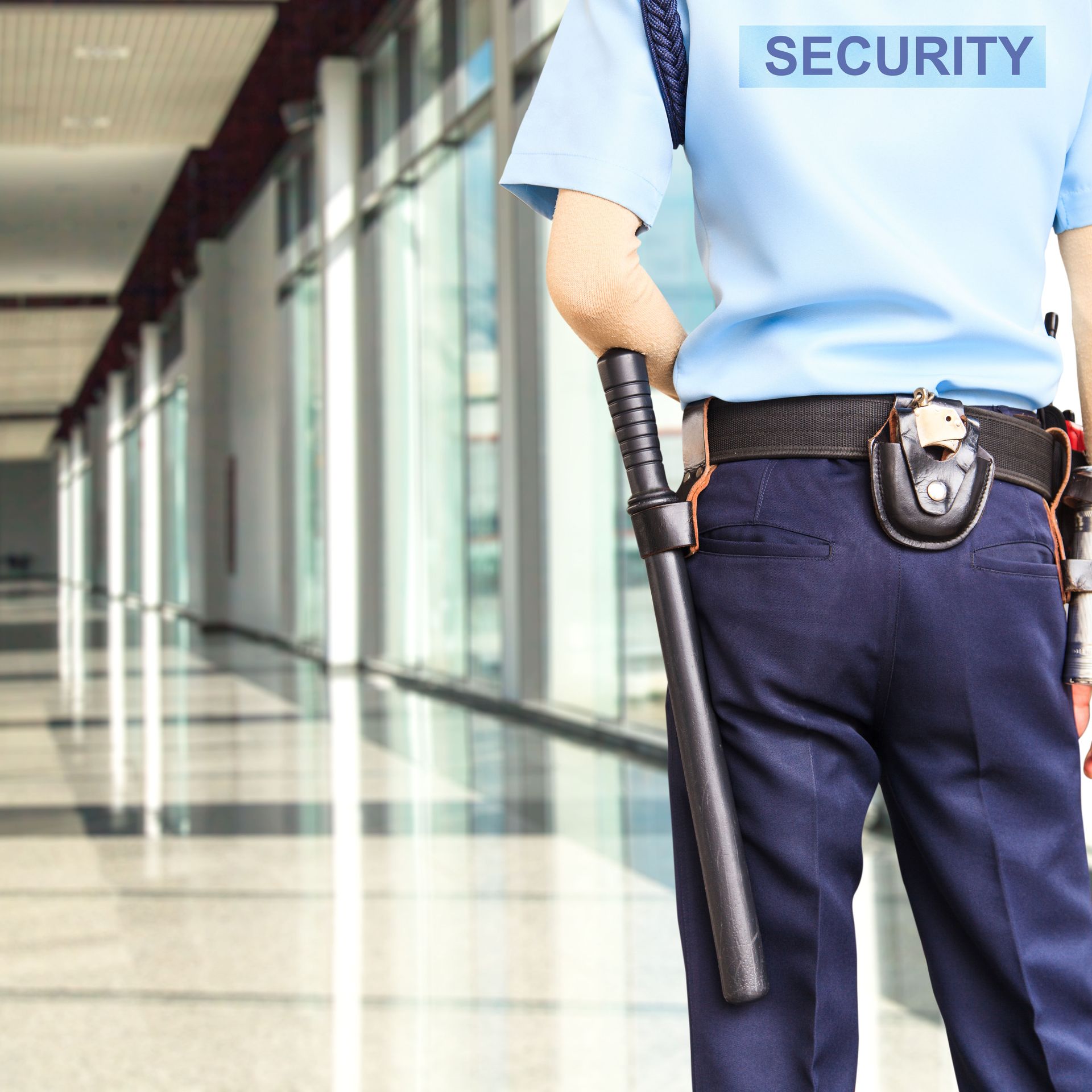
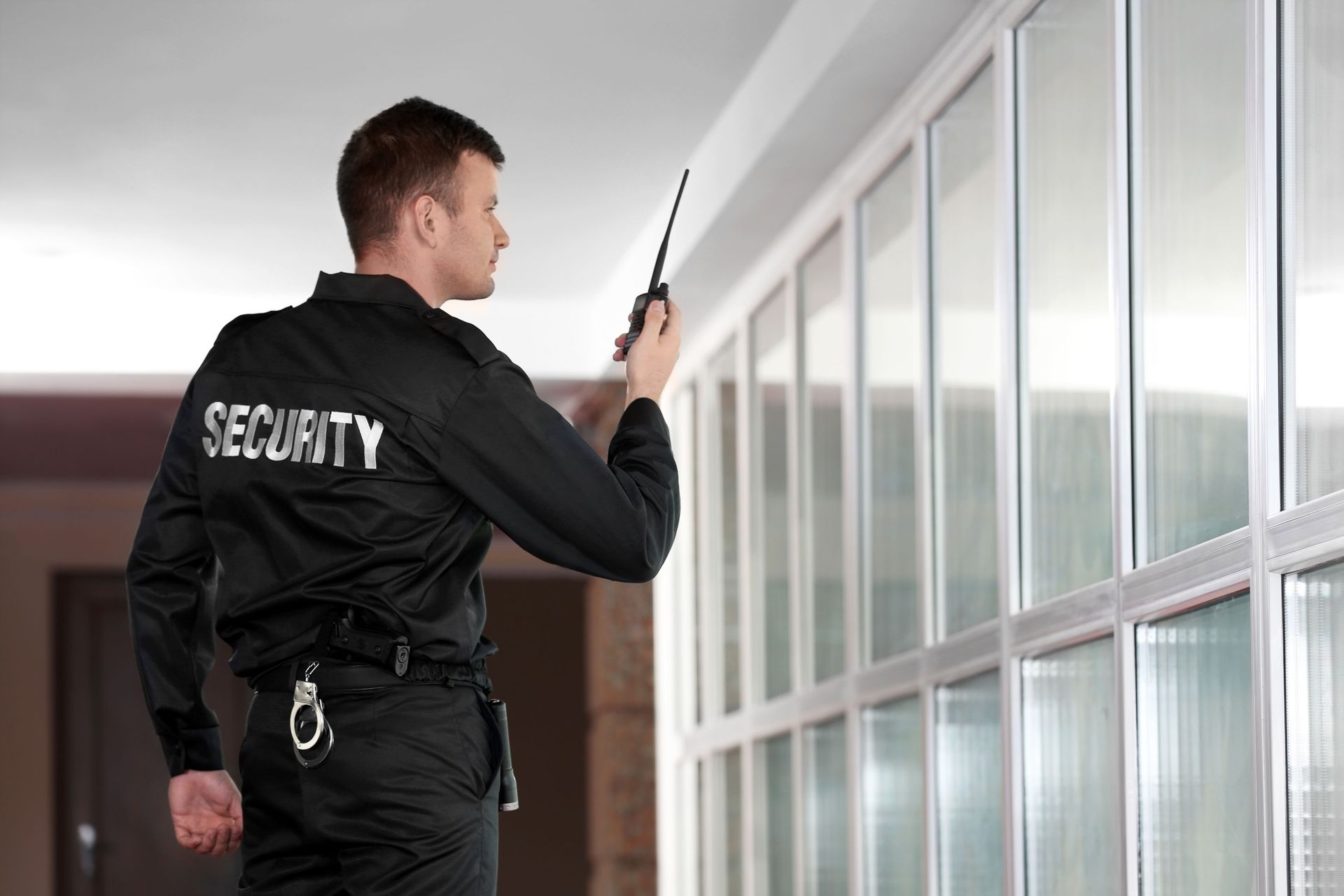
The presence of armed security personnel visibly deters criminal activity within heavily trafficked transit hubs. When potential threats recognize the presence of highly trained personnel, the likelihood of illicit behavior diminishes significantly. These professionals project authority and control, reducing the fear of crime among daily travelers and staff. Their uniformed presence serves as a constant reminder that security protocols are active and prepared to respond to any level of disturbance. By acting as a preventive force, an armed security team plays an instrumental role in maintaining daily order.
Research indicates that visible security deployment is one of the primary factors in reducing crime rates in public spaces. In transit environments, the temptation for theft, vandalism, and assault is often elevated due to the constant crowd flow. Specialized armed security teams effectively mitigate these risks by remaining vigilant and identifying suspicious behaviors before they escalate. According to Duke Law, only 2% of private security personnel had previously served as a cop, and only about 1% moved from private security to a Florida public police agency. This statistic highlights that specialized, private transit training is what truly equips these professional guards to handle the unique demands of a bustling commuter environment.
Swift Action During Critical Incidents
Trained armed security teams are critical in ensuring swift responses to emergencies within major transportation hubs. In densely populated areas like train stations or airports, the ability to react to an active threat within seconds can save lives. Security personnel are thoroughly trained in crisis management, enabling them to assess situations rapidly and implement appropriate countermeasures. Their immediate availability ensures that minor incidents do not evolve into major disruptions that paralyze transit networks. Through their systematic approach, these professionals minimize the impact of unforeseen security challenges.
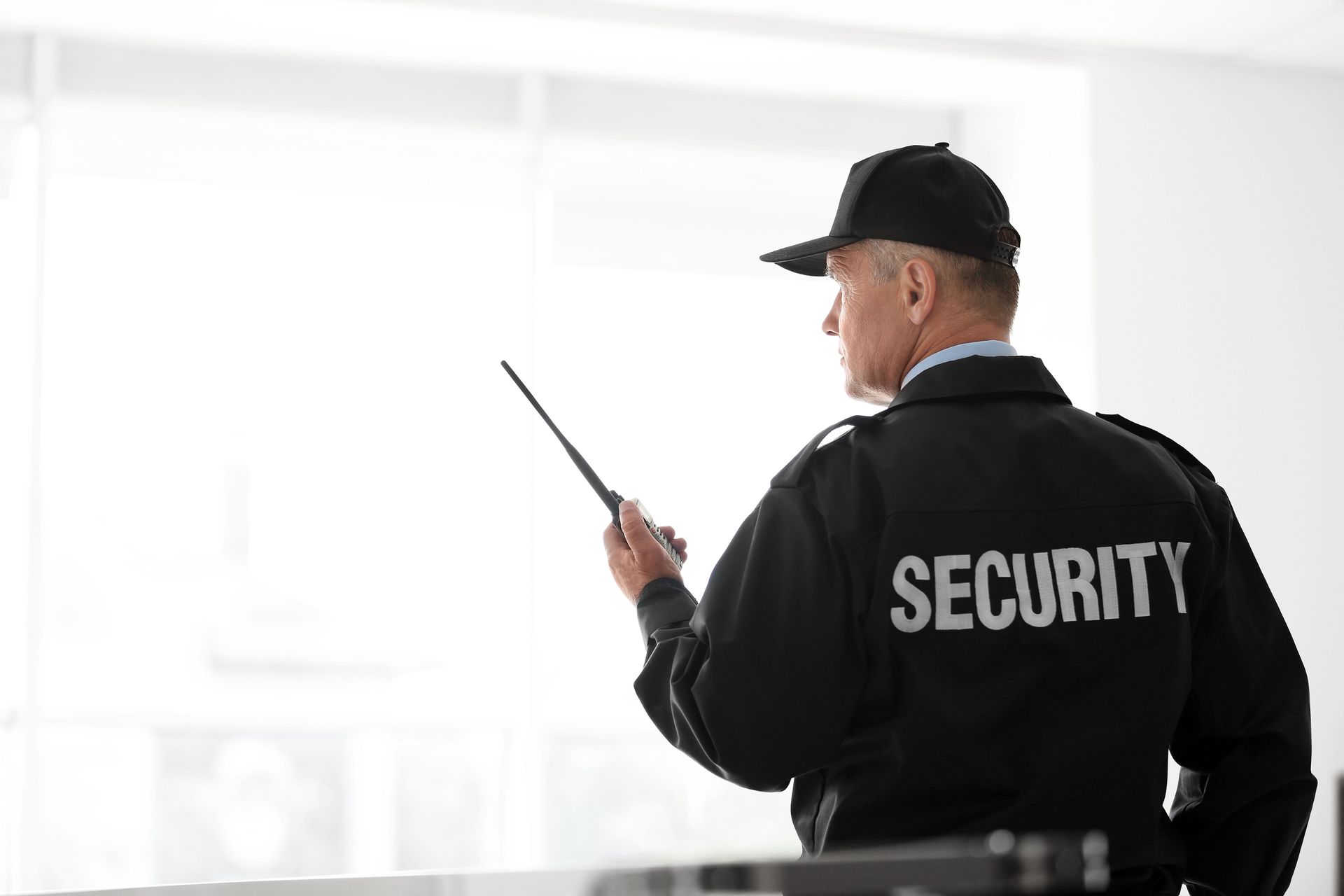
These modern security teams are equipped with advanced communication tools that allow for real-time coordination with local law enforcement agencies. The timely relay of accurate information facilitates a unified response and ensures that proper public resources are deployed if necessary. Regular tactical drills and ongoing situational training further enhance their agility in dealing with complex emergencies. This high level of preparedness is particularly beneficial during peak travel seasons or major public events. Consequently, having dedicated armed security on-site is a fundamental requirement for maintaining transit hub resilience.
Advanced Technology Integration and Crowd Management
Leveraging Modern Surveillance Systems
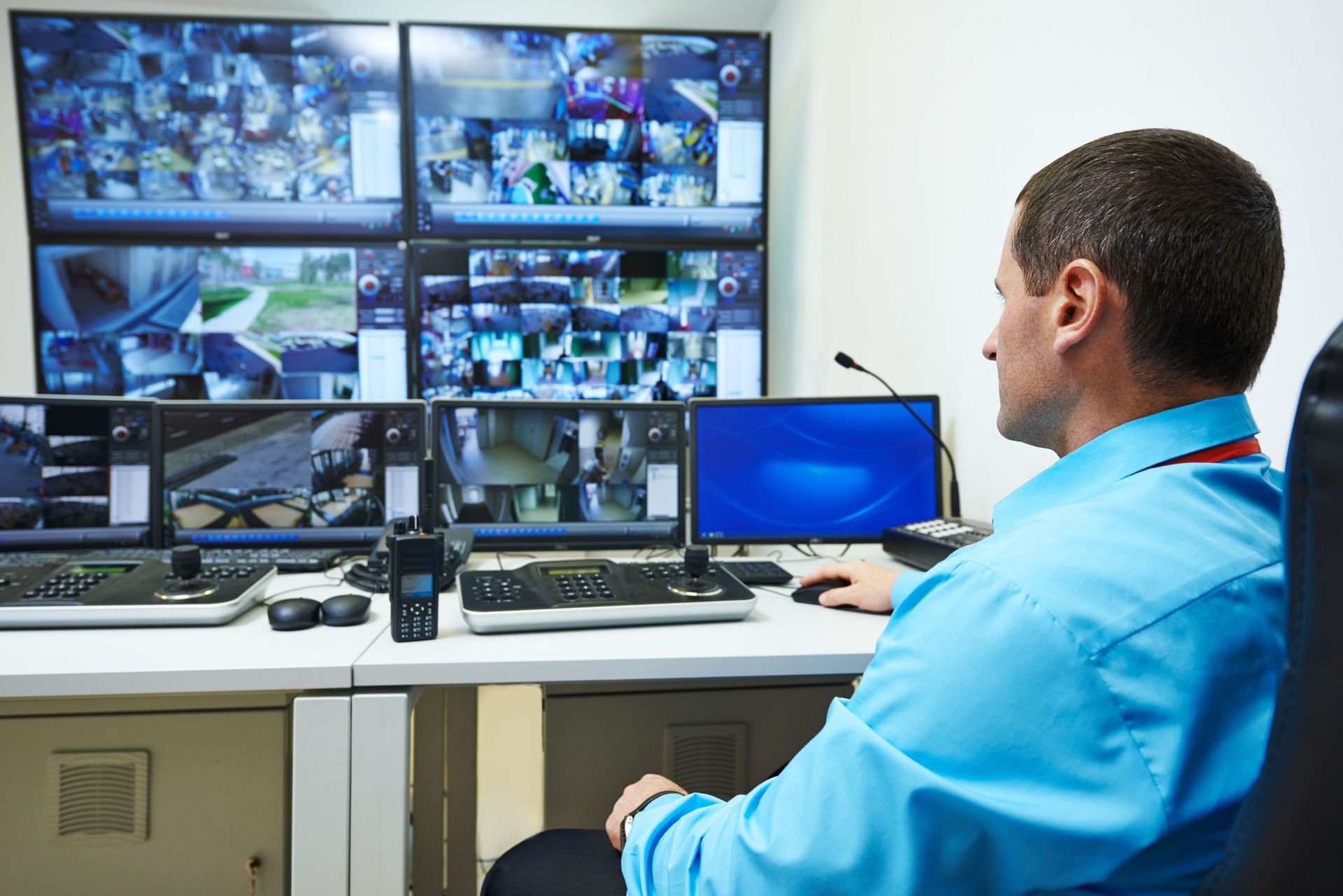
The integration of cutting-edge technologies significantly enhances the operational effectiveness of armed security teams. Personnel rely on state-of-the-art surveillance systems to monitor expansive transit environments and identify anomalies proactively. High-definition cameras equipped with facial recognition and motion detection provide a substantial advantage in modern threat mitigation. When coupled with artificial intelligence, these tools enable real-time monitoring that alerts field officers instantly. This technological synergy amplifies the capability of armed security guards to protect complex facilities.
The advent of smart surveillance has transformed traditional protective roles, demanding continuous technical skill upgrades for security personnel. Guard teams are fully trained to utilize these systems seamlessly during their daily patrols and monitoring routines. By leveraging data analytics, they can predict potential crowd bottlenecks and implement preventive deployment strategies. This proactive methodology fosters an enhanced security posture while optimizing manpower allocation across the hub. As security threats continue to evolve, combining technology with armed security assets remains paramount.
Managing Large Crowds Safely
Effective crowd control is a primary responsibility for security teams operating in high-profile transit hubs. These dynamic environments are characterized by fluctuating passenger volumes, which require efficient movement strategies to prevent dangerous congestion. Armed security personnel are trained to manage large groups under pressure, ensuring orderly flow during peak commuter hours. Their expertise extends to handling emergency evacuations where panic must be minimized to avoid injuries. This specialized skill set is fundamental to mitigating the inherent risks associated with severe overcrowding.
Strategic positioning of armed security assets enhances a facility's crowd control capabilities and reduces accidental disruptions. Teams are placed at critical transit junctures to direct passenger flow and maintain open emergency pathways. Their authoritative presence encourages compliance with facility rules, reducing stress for travelers and improving the overall commuter experience. Additionally, these officers are trained in verbal de-escalation techniques and cultural awareness to interact positively with a diverse public base. Continuous professional development ensures that crowd management remains safe, efficient, and respectful.
Infrastructure Protection and Collaborative Security Protocols
Safeguarding Key Transit Assets
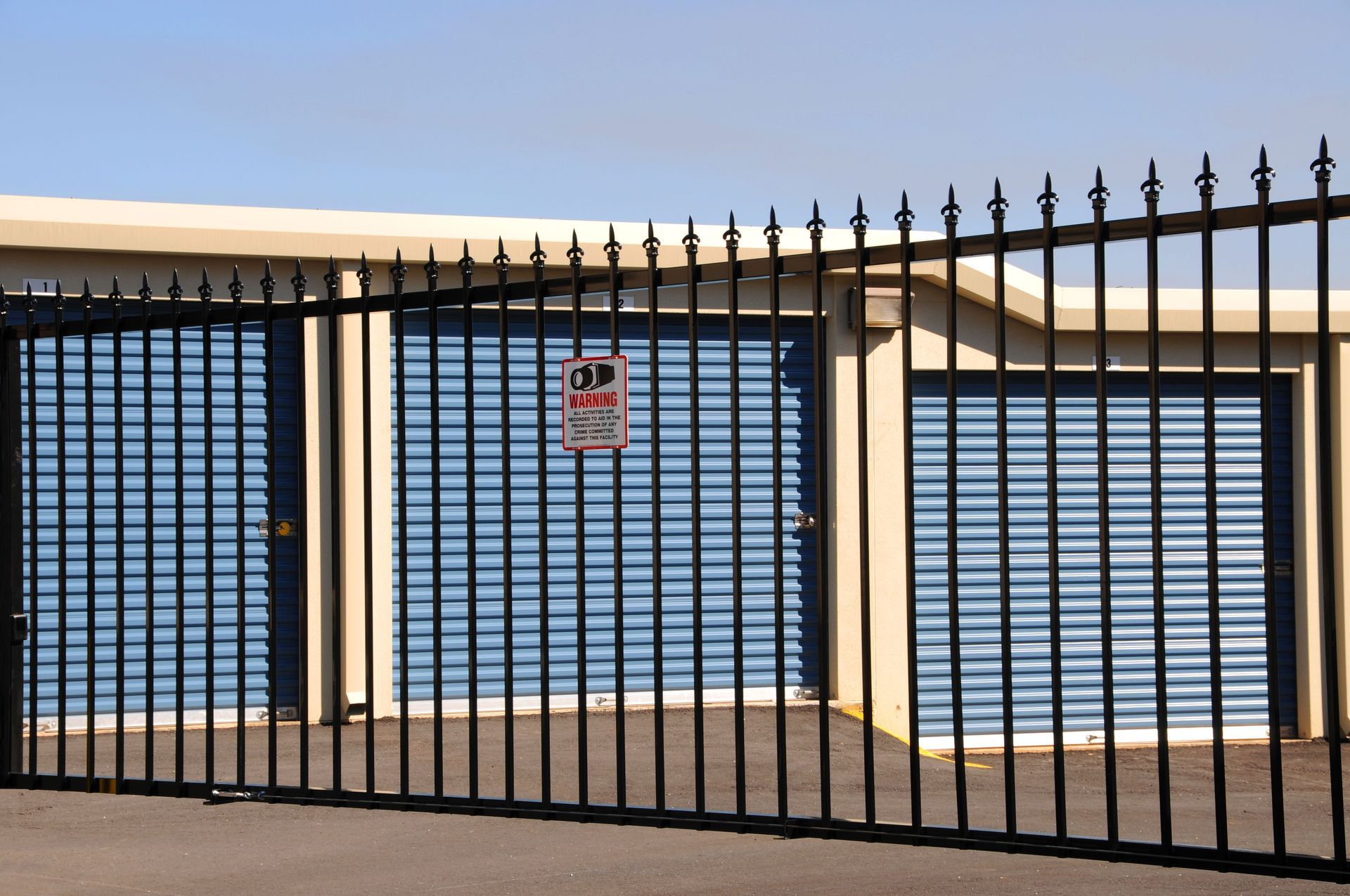
The physical protection of critical infrastructure is a core duty of trained armed security teams. Transit hubs contain numerous high-risk zones, including control rooms, communication hubs, power stations, and baggage handling areas. Security personnel are strategically deployed to restrict access to these unauthorized areas, preventing sabotage and theft. Their constant vigilance protects valuable public assets and guarantees that daily transportation services run without technical interruptions. By employing an active defense strategy, an armed security force ensures long-term operational reliability.
Professional security teams conduct routine risk assessments to identify vulnerabilities within the physical infrastructure of the hub. Identifying these weaknesses allows managers to develop targeted defensive protocols that adapt to changing threat landscapes. Collaborative simulations prepare the armed security staff to counter specific threats aimed at disabling transit operations. Close coordination with internal technical staff ensures that all access control points remain secure against unauthorized breaches. Regular investment in this specialized security architecture protects the public economic investment in transit systems.
Mitigating Vandalism and Sabotage
Vandalism, property destruction, and industrial sabotage pose significant financial and reputational threats to modern transit networks. Armed security teams mitigate these costly risks through persistent patrolling and proactive surveillance monitoring. Their commanding presence deters individuals who intend to damage property or disrupt public utilities. When acts of vandalism are attempted, security personnel intervene immediately to detain suspects and minimize property damage. This rapid response protects the aesthetic and functional integrity of the transit hub.
Furthermore, security teams engage with the public to encourage the reporting of suspicious items or behaviors. By fostering an environment of shared awareness, security personnel receive critical ground-level information that aids threat prevention. Cooperation with municipal law enforcement ensures that property crimes are thoroughly documented and prosecuted efficiently. This holistic approach reduces maintenance costs and preserves a clean, safe environment for thousands of daily commuters. Protecting infrastructure from malicious damage remains a cornerstone of comprehensive transit security.
Every incident resolved by the security team is documented to refine future response protocols and improve overall hub safety. Accountability and transparency are integrated into their operational guidelines, fostering long-term trust with transit authorities and the public. By handling disruptions swiftly, these security teams protect both human lives and the operational reputation of the transit facility. Ultimately, the presence of dedicated armed security personnel ensures that high-profile transit hubs remain safe, efficient, and resilient against any challenge. For more information, contact Alliance Detective & Security Service, Inc.
Transit hubs serve as critical infrastructures within urban environments, facilitating the seamless movement of thousands of individuals daily. In these bustling areas where large crowds converge, maintaining order and safety is a complex challenge that requires specialized solutions. Implementing trained armed security teams has become a pivotal strategy for safeguarding passengers and infrastructure alike. With ever-increasing threats, these high-profile locations necessitate a proactive approach to prevent disruptions and ensure operational continuity.
The integration of armed security personnel provides a comprehensive layer of protection that standard measures cannot replicate. From visible deterrence to rapid incident resolution, their presence is integral to the overall success of modern transit systems. This article explores the multifaceted advantages of deploying specialized armed security forces in high-profile transit environments. By examining how these teams protect assets and enhance the passenger experience, we can better understand their essential role in public safety.





Share On: