
How Mobile Patrol Services Keep Businesses Safe After Hours
Explore the crucial role that mobile patrol services play in safeguarding businesses once the working day ends. This article delves into the mechanics, advantages, and applications of mobile patrols that contribute to enhanced business security after hours. According to IBISWorld, there are 112,000 businesses in the security services industry in the United States. Understanding the vital importance of mobile patrol services allows businesses to make informed decisions about their security strategies, ensuring that assets and personnel remain protected. With growing threats and challenges, mobile patrol services offer a dynamic solution tailored to the unique needs of various industries. As businesses become increasingly complex, a proactive security measure such as mobile patrol is essential to guard against potential risks.
The Role of Mobile Patrol Services in Modern Security
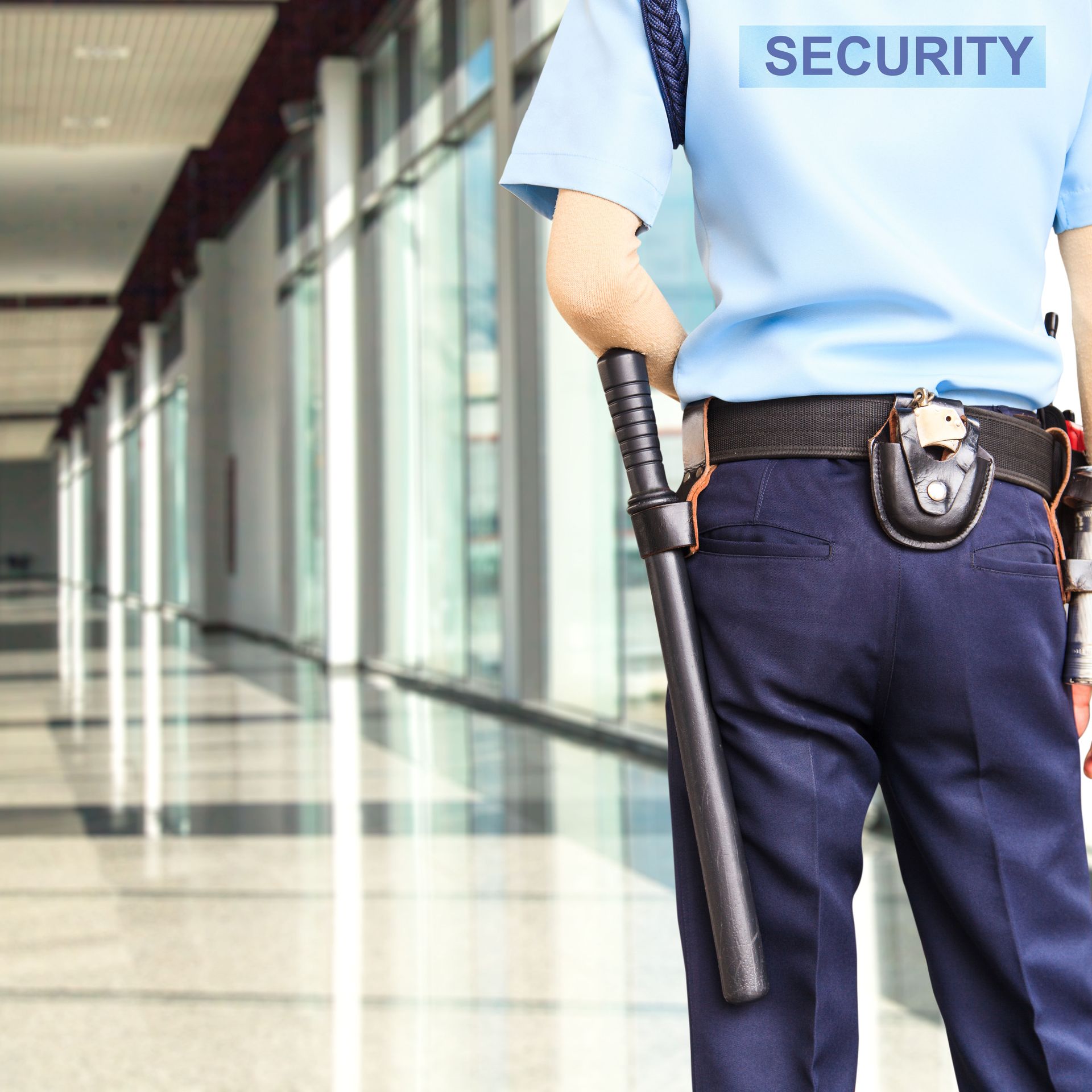
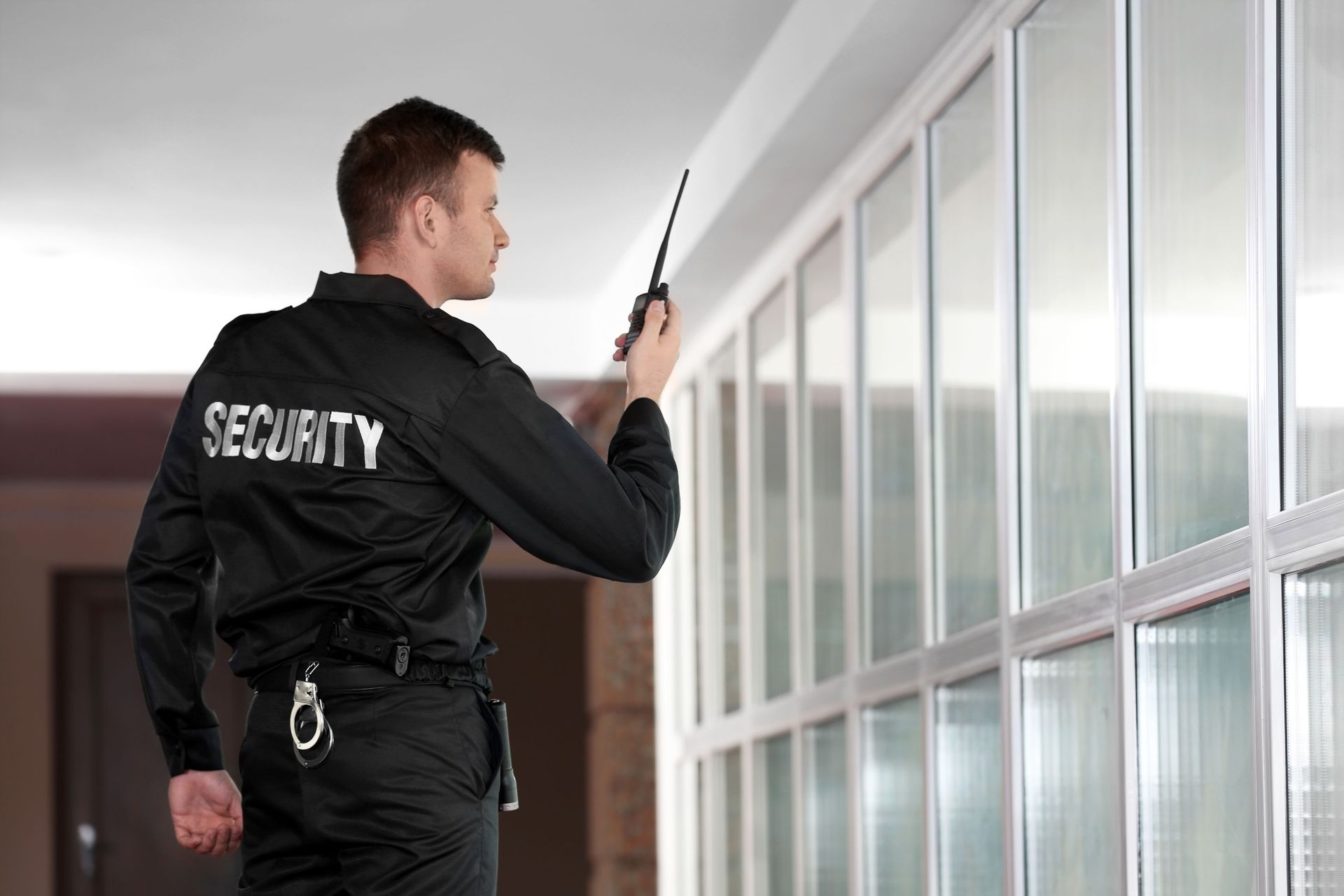
Mobile patrol services entail the deployment of security personnel who traverse businesses' premises in vehicles or on foot. Unlike stationary guards, mobile patrols provide flexibility and coverage over large areas. They focus on deterring crime by their visible presence and are tasked with inspecting properties, monitoring suspicious activities, and ensuring compliance with security protocols. With the potential for rapid response, mobile patrols play a crucial role in mitigating security risks before they escalate. Businesses rely on these dynamic measures to secure properties during vulnerable periods, such as after regular working hours.
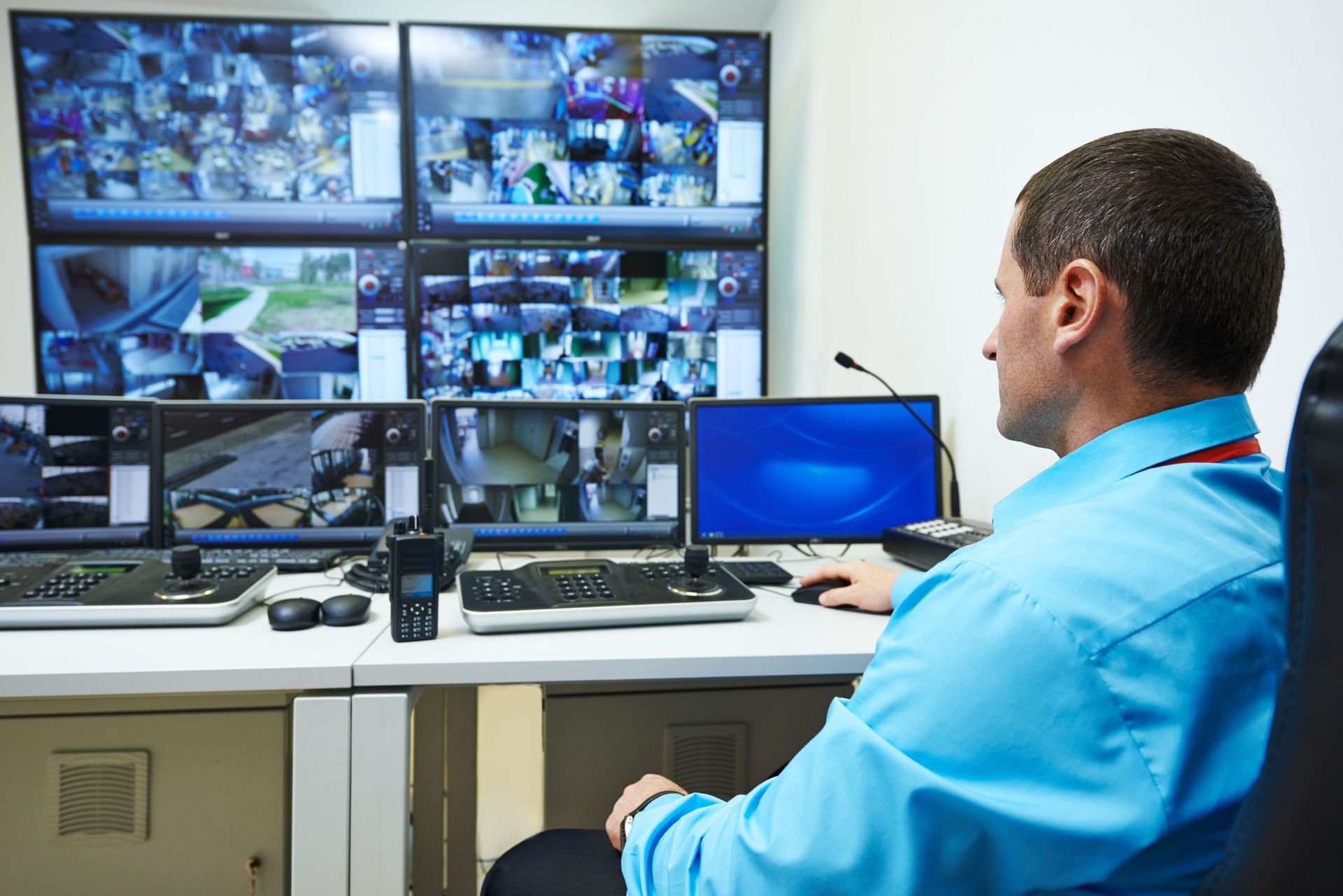
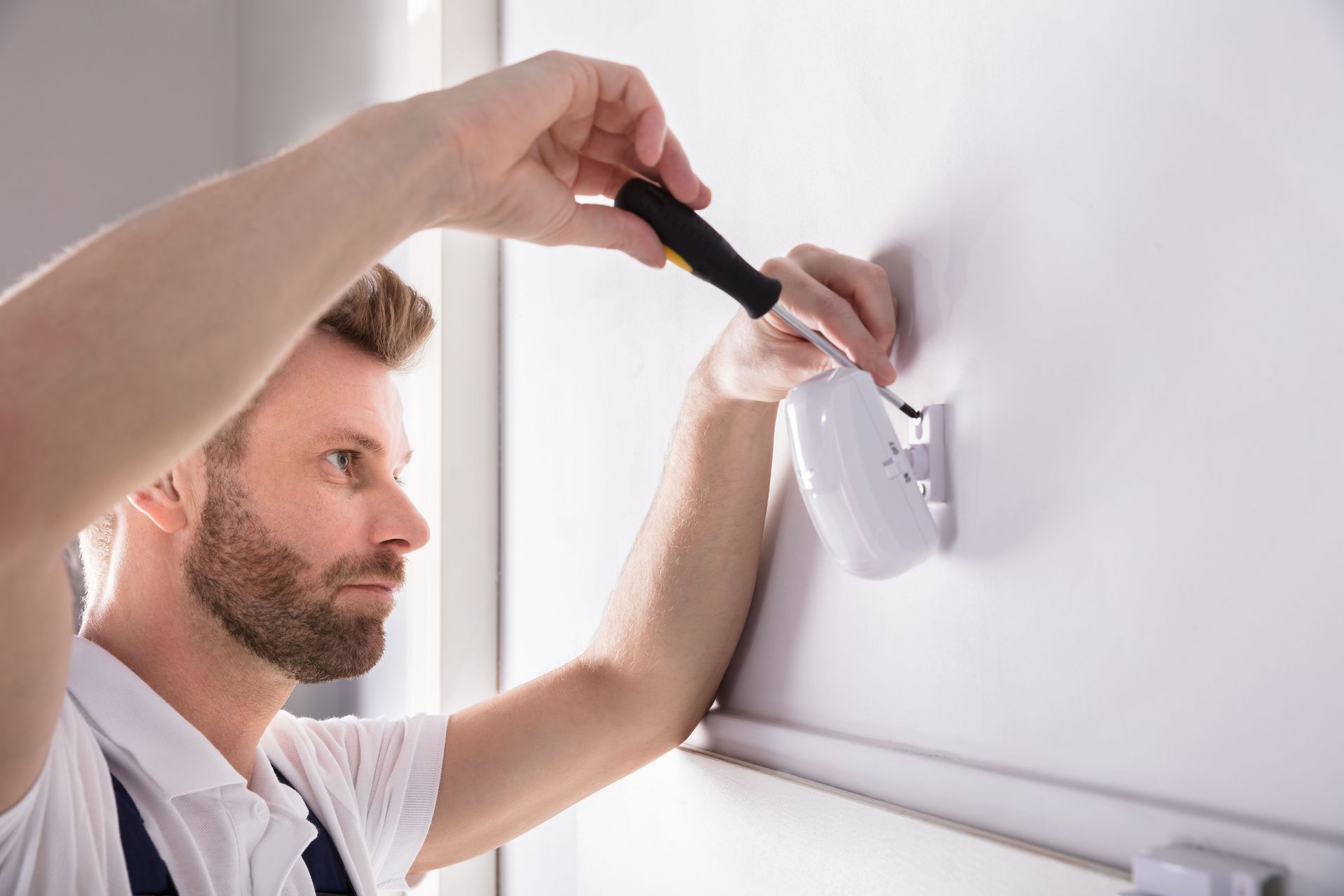
Today's mobile patrol services are seamlessly integrated with advanced security systems, enhancing their efficacy. State-of-the-art technology, such as surveillance cameras, sensors, and access control systems, can be monitored by patrol officers in real-time. This integration allows for the prompt addressing of security breaches and the documentation of incidents. By leveraging these contemporary tools, mobile patrols offer comprehensive security coverage that is both proactive and reactive. Such integration is crucial as businesses transition to more sophisticated and interconnected security infrastructure.
Businesses often favor mobile patrols over stationary security for their versatility and ability to adapt to dynamic environments. Stationary guards cover limited areas and may not respond quickly to incidents occurring elsewhere on a property. In contrast, mobile patrols can effectively cover extensive zones, making them suitable for large business complexes or industrial sites. Furthermore, mobile patrols offer a more cost-effective solution, as fewer resources are often needed compared to deploying multiple stationary guards. This approach also reduces security fatigue, maintaining a high level of vigilance across various areas.
Advantages of Mobile Patrol Services for Businesses
The presence of mobile patrol services significantly enhances visibility, acting as a strong deterrent against potential criminal activities. Criminals are less likely to target establishments with visible security measures, knowing there is a high risk of being apprehended. Mobile patrols provide unpredictable movements around the property, making it challenging for potential offenders to predict security patterns. This unpredictability is a powerful tool in preventing criminal activities such as vandalism, theft, and trespassing. Businesses benefit from reduced incidences of crime and the reassurance that their properties are actively monitored.
Mobile patrol officers are trained to respond quickly to a variety of incidents, minimizing potential damage or loss. Their mobility allows them to quickly reach different parts of a property, assess situations, and take appropriate action. This rapid response capability is crucial in emergencies, such as fire outbreaks, medical incidents, or security breaches. By swiftly handling these incidents, mobile patrol services help maintain safety and order, reducing the impact of potential threats. They act as first responders on-site, ensuring that issues are addressed immediately, often before external authorities arrive.
Mobile patrol services enhance surveillance by integrating traditional patrolling methods with advanced surveillance technologies. Equipped with sophisticated surveillance tools, patrol officers can monitor premises comprehensively and in real-time. This integration allows officers to detect and respond to security threats more efficiently, fortifying the overall security framework. Remote monitoring and live streaming enable constant oversight, even in areas beyond the immediate physical presence of a patrol officer. As a result, businesses experience an elevated level of security, ensuring that any suspicious activities are promptly identified and resolved.
Technology in Mobile Patrol: Enhancing Security Measures
The integration of GPS and routing technology has significantly enhanced the efficiency of mobile patrol services. GPS enables real-time tracking of patrol vehicles, ensuring optimal coverage and minimizing response times to incidents. Advanced routing systems allow patrol units to avoid potential bottlenecks, ensuring timely arrival at critical locations. This technology maximizes coverage and resource allocation, ensuring comprehensive patrolling without unnecessary overlap. Real-time updates on patrol locations are also shared with clients, enhancing transparency and trust in security services.
Mobile apps have revolutionized communication between patrol units and security operators, providing a seamless flow of information. These apps allow for direct messaging, incident reporting, and alerts, ensuring that all relevant information is disseminated promptly. Mobile apps facilitate coordination during emergencies, enabling rapid information exchange and tactical decision-making. Patrol officers can quickly share visual data such as photos and videos, providing richer context for security assessments. This digital communication reduces response times and enhances the overall effectiveness of mobile patrol services.
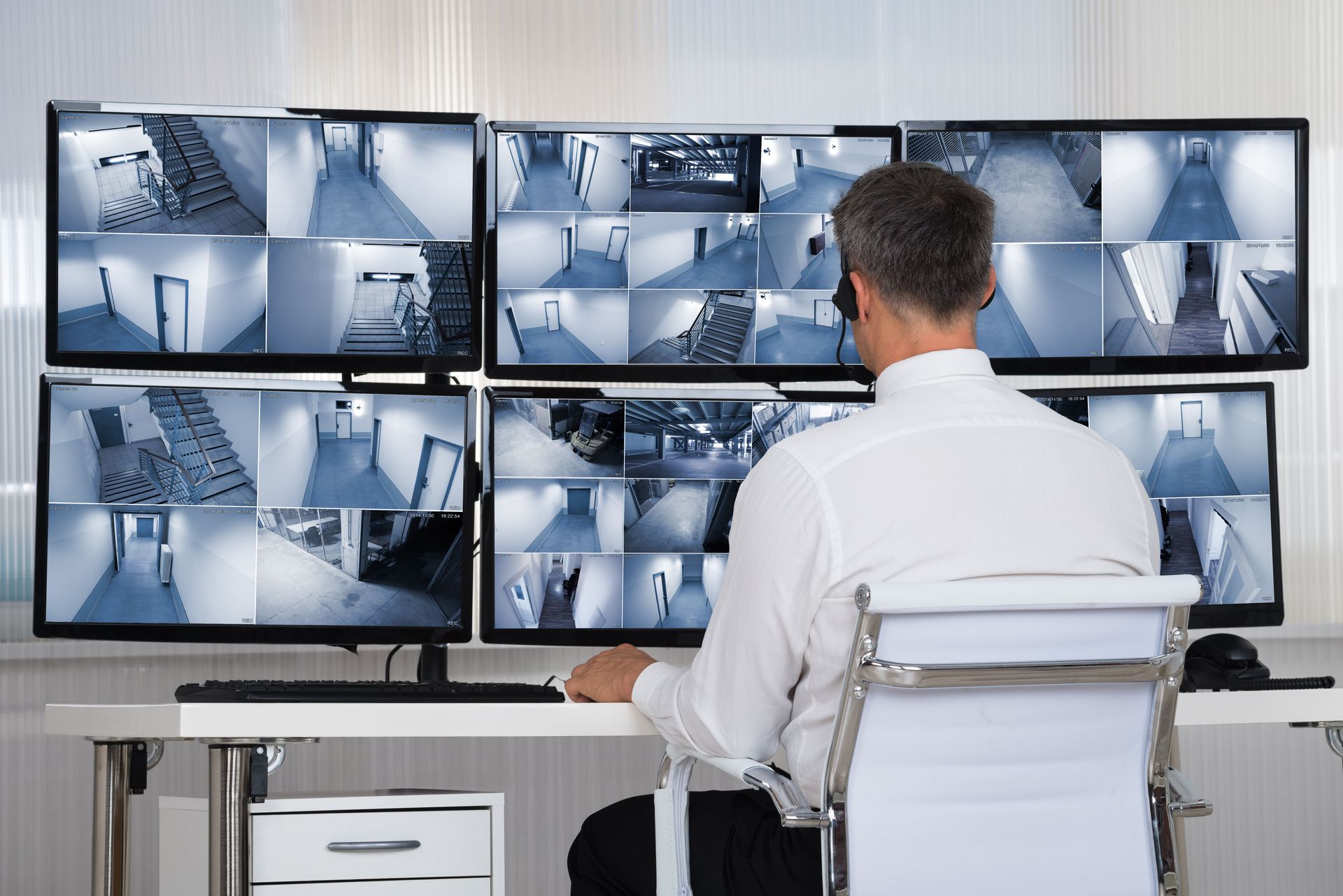
Live streaming and video surveillance are crucial components of modern mobile patrol services, enhancing real-time monitoring capabilities. Patrol vehicles equipped with cameras provide constant footage, allowing control centers to monitor situations as they unfold. This live data feed assists in proactive threat detection and swift intervention when necessary. Additionally, recorded footage serves as vital documentation, aiding in investigations and improving situational awareness. Video surveillance, coupled with live streaming, strengthens security operations, ensuring vigilant oversight of business premises.
Customization of Mobile Patrol Services for Different Industries
Retail businesses present unique security challenges that mobile patrol services address through tailored strategies. Retailers face risks such as shoplifting, theft, and vandalism, necessitating vigilant security measures. Mobile patrol units are deployed to monitor entry and exit points, ensuring the security of merchandise and customer safety. Regular patrols deter potential offenders by signaling a robust security presence throughout retail environments. By understanding the specific needs of retail businesses, mobile patrol services offer adaptable solutions that enhance the safety and resilience of retail operations.
Industrial and manufacturing facilities demand specialized security solutions due to their complex layout and operations. Mobile patrol services customize their approach by focusing on perimeter security, critical infrastructure, and employee safety. Regular patrols ensure that all areas, including warehouses and loading docks, remain secure and free from unauthorized access. The versatility of mobile patrols allows for swift response to incidents, minimizing downtime and potential disruptions. Effective communication systems and surveillance technology further enhance the security operations of these vast and multifaceted facilities.
Office buildings benefit from mobile patrol services through the implementation of customized security strategies that address specific vulnerabilities. Patrol units focus on access control and the monitoring of shared spaces, such as parking lots and entry areas. Their presence deters potential threats, ensuring the safety of employees and visitors alike. Mobile patrols offer flexibility, adapting patrol schedules to align with the unique rhythms and needs of office environments. Collaboration with building management ensures comprehensive coverage and effective handling of any security concerns.
The Human Element: Training and Expertise in Mobile Patrol Personnel
Effective mobile patrol services rely heavily on the expertise and training of their personnel. Comprehensive training programs equip officers with the knowledge and skills necessary to handle diverse security situations. Courses often cover legal compliance, emergency procedures, surveillance techniques, and customer service, ensuring well-rounded capabilities. Continuous skill development through workshops and certifications keeps officers updated on the latest security practices. This emphasis on training enhances the effectiveness of mobile patrols, guaranteeing that officers remain prepared to address any challenges they may face.
Effective communication and conflict resolution are pivotal skills for mobile patrol officers, ensuring smooth interactions during security incidents. Officers are trained in conflict de-escalation techniques, allowing them to address tense situations calmly and professionally. Clear communication with clients, colleagues, and authorities is imperative for accurate incident reporting and coordinated response. These skills also foster positive relationships between security personnel and the communities they serve, enhancing overall trust and cooperation. By emphasizing communication and conflict resolution, mobile patrol services ensure effective management of both routine and emergency scenarios.
Experience and professionalism are cornerstones of effective mobile patrol services, underpinning reliable security operations. Experienced officers bring valuable insights, facilitating the anticipation and resolution of potential security threats. Professional conduct instills confidence in clients, ensuring that security personnel are perceived as trustworthy and competent. This professionalism is maintained through strict adherence to protocols, continuous evaluation, and a commitment to exemplary service. The presence of seasoned officers within mobile patrol units enhances their operational effectiveness, contributing to robust security frameworks for businesses.
Mobile patrol services stand as a vital pillar in the security infrastructure of businesses after hours. By understanding their functions, advantages, technological applications, and customization options, businesses can significantly enhance their security postures and ensure a safe environment for assets and personnel alike. As threats evolve and businesses grow more complex, the adaptability and effectiveness of mobile patrol services become increasingly important. For a
patrol service you can count on, contact Alliance Detective & Security Service, Inc today.





Share On: